





Why PE Micropowder Matters for SMC & BMC Glass Fiber Reinforced Plastics Formulation
Release time: 2026-09-18
Table of Contents
In high-performance compression molding of glass fiber reinforced plastics, polyethylene micro powder has become a critical processing and performance additive for SMC (sheet molding compound) and BMC (bulk molding compound) formulations targeting electrical insulation composite parts.
The Role of PE Micropowder in SMC & BMC Systems
SMC and BMC are thermoset composite systems widely used to produce complex, high-strength components for electrical, automotive, and industrial applications. These systems rely on tightly controlled resin flow, fiber wetting, shrinkage management, and surface quality during high-pressure, high-temperature molding.
PE micropowder for glass fiber reinforced plastics addresses several formulation challenges at once:
- Acts primarily to improve the surface quality of cured parts
- Enhances resin flow and filler dispersion during molding, supporting consistent fiber wetting
- Improves surface finish and reduces defects such as pinholes, fiber readout, and orange peel
- Supports stable processing windows in high-speed compression molding lines
By integrating micronized PE powder into SMC/BMC recipes, compounders can achieve tighter tolerances, better surface quality, and more reliable electrical insulation performance in final composite parts.
Key Benefits for Electrical Insulation Composite Parts
Electrical insulation composite parts—such as switchgear components, busbar supports, insulator housings, and connector bodies—demand consistent dielectric properties, thermal stability, and mechanical integrity.
Polyethylene micro powder contributes to these requirements by:
- Supporting uniform resin distribution around glass fibers and mineral fillers, which helps stabilize dielectric behavior
- Reducing internal stresses and micro-voids that can act as initiation points for partial discharge or tracking
- Enabling smoother, more defect-free surfaces that improve creepage distance performance and contamination resistance
- Allowing formulators to balance low shrinkage with good impact resistance and thermal performance
For manufacturers of electrical insulation composite parts, this means fewer rejects, more consistent test results, and better long-term reliability in service.
How PE Micropowder Improves SMC Sheet Molding Compound Processing
In SMC sheet molding compound production, the paste viscosity, fiber impregnation, and mat wet-out are critical to final part quality. PE micropowder for glass fiber reinforced plastics helps optimize this process by:
- Modifying paste rheology to improve fiber wetting without excessive resin consumption
- Acting as an internal lubricant that reduces friction between fibers, fillers, and mold surfaces
- Supporting stable thickening behavior during SMC maturation, which is essential for consistent molding performance
- Enabling higher filler loading while maintaining workable viscosity and good surface finish
These effects allow SMC producers to run faster lines, use more cost-effective filler systems, and still meet tight electrical and mechanical specifications.
Advantages in BMC Bulk Molding Compound Formulations
BMC bulk molding compound is often used for smaller, highly detailed electrical components that require excellent flow into complex cavities. Here, micronized PE powder plays a slightly different but equally important role:
- Enhancing flow into fine features and thin sections without fiber segregation
- Reducing molding pressure requirements while maintaining part density and strength
- Improving release from molds and reducing cycle times in high-volume production
- Supporting consistent surface quality across large production runs
For BMC compounders targeting electrical insulation composite parts, this translates into better cavity fill, fewer short shots, and more consistent electrical performance from part to part.
PE Micropowder Impact: SMC vs BMC Performance Overview
The table below summarizes how PE micropowder for glass fiber reinforced plastics influences key performance and processing parameters in SMC sheet molding compound and BMC bulk molding compound systems.
| Performance / Processing Parameter | SMC Sheet Molding Compound | BMC Bulk Molding Compound |
|---|---|---|
| Primary role of polyethylene micro powder | Low-shrink additive, paste rheology modifier, fiber wetting aid | Flow enhancer, low-shrink additive, mold release aid |
| Effect on resin flow and fiber wetting | Improves paste uniformity and fiber impregnation in continuous sheet production | Enhances cavity fill and fiber distribution in complex, small parts |
| Surface quality improvement | Reduces pinholes, fiber readout, and orange peel on large molded panels | Delivers smooth, defect-free surfaces on intricate electrical components |
| Shrinkage and dimensional stability | Controls warpage and improves flatness in large SMC parts | Maintains tight tolerances in small, detailed electrical insulation composite parts |
| Processing benefits | Enables higher filler loading, stable thickening, and faster line speeds | Lowers molding pressure, shortens cycle times, and improves part-to-part consistency |
| Typical loading range of micronized PE powder | 1–5 wt%, adjusted for shrinkage control and surface quality | 1–5 wt%, optimized for flow, release, and dimensional stability |
Formulation Considerations for PE Micropowder in Glass Fiber Reinforced Plastics
When incorporating polyethylene micro powder into SMC/BMC systems, several formulation parameters should be considered:
- Particle size distribution: finer powders improve surface quality and flow, while slightly coarser grades can aid low-shrink performance
- Compatibility with peroxide or azo curing systems used in unsaturated polyester and vinyl ester resins
- Interaction with other additives such as zinc stearate, internal mold releases, and low-profile additives
- Target loading levels, typically in the range of 1–5 wt% depending on the desired balance of shrinkage control, flow, and surface finish
Working with a supplier who understands both polymer chemistry and compression molding processes helps ensure the right grade and dosage for each application.
Products & Company: Banner Polymer PE Micropowder Solutions
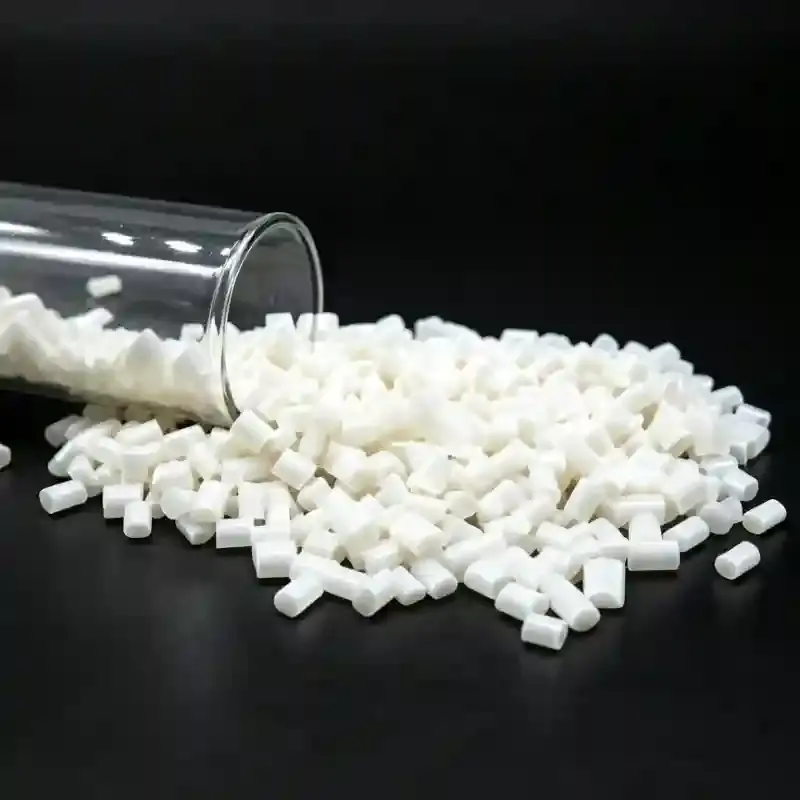
Banner Polymer specializes in high-purity micronized PE powder grades engineered for demanding composite applications, including SMC sheet molding compound and BMC bulk molding compound for electrical insulation composite parts.
Our PE micropowder for glass fiber reinforced plastics is designed to:
- Deliver consistent particle size and morphology for stable processing and repeatable part quality
- Support low-shrink, high-flow, and high-surface-quality formulations in electrical and industrial composites
- Integrate smoothly into existing SMC/BMC production lines with minimal process changes
By combining advanced micronization technology with application-focused technical support, Banner Polymer helps compounders and molders optimize performance, reduce scrap, and accelerate time-to-market for next-generation glass fiber reinforced plastic components.
FAQ: PE Micropowder for SMC & BMC Glass Fiber Reinforced Plastics
Q1: What is the main function of PE micropowder in SMC and BMC formulations?
A: PE micropowder for glass fiber reinforced plastics primarily acts as a low-shrink additive and processing aid, improving dimensional stability, resin flow, fiber wetting, and surface quality in cured SMC/BMC parts.
Q2: Can polyethylene micro powder be used in electrical insulation composite parts?
A: Yes. Polyethylene micro powder is widely used in formulations for electrical insulation composite parts, where it helps stabilize dielectric performance, reduce internal defects, and improve surface finish for better creepage and tracking resistance.
Q3: How does micronized PE powder differ from standard PE wax or additives?
A: Micronized PE powder is engineered with controlled particle size and morphology to function as a true composite additive in SMC/BMC systems, offering more consistent low-shrink behavior, flow enhancement, and surface improvement than conventional PE waxes.
Q4: What typical loading levels are used for PE micropowder in SMC/BMC?
A: Loading levels depend on the formulation goals, but PE micropowder for glass fiber reinforced plastics is commonly used in the 1–5 wt% range to balance shrinkage control, flow, and surface quality without compromising mechanical or electrical properties.
Q5: Is PE micropowder compatible with peroxide-cured unsaturated polyester and vinyl ester systems?
A: Yes. Properly selected micronized PE powder grades are compatible with standard peroxide curing systems used in SMC and BMC, allowing integration into existing electrical and industrial composite formulations.