




What is a Hot Melt Adhesive (HMA)?
Release time: 2026-07-14
Table of Contents
In the fast-paced world of modern manufacturing and packaging, efficiency and reliability are paramount. Among the various bonding technologies available today, one solution stands out for its speed, versatility, and environmental benefits. But exactly what is a hot melt adhesive (HMA), and why has it become a staple across dozens of global industries?
This comprehensive guide explores the science behind these adhesives, their primary types, diverse industrial applications, and how to select the right formulation for your business needs.
How Does Hot Melt Adhesive Work?
At its core, a hot melt adhesive is a 100% solid, solvent-free thermoplastic material. Unlike traditional water-based or solvent-based glues that require evaporation or chemical curing to create a bond, HMAs work through a simple physical phase change.
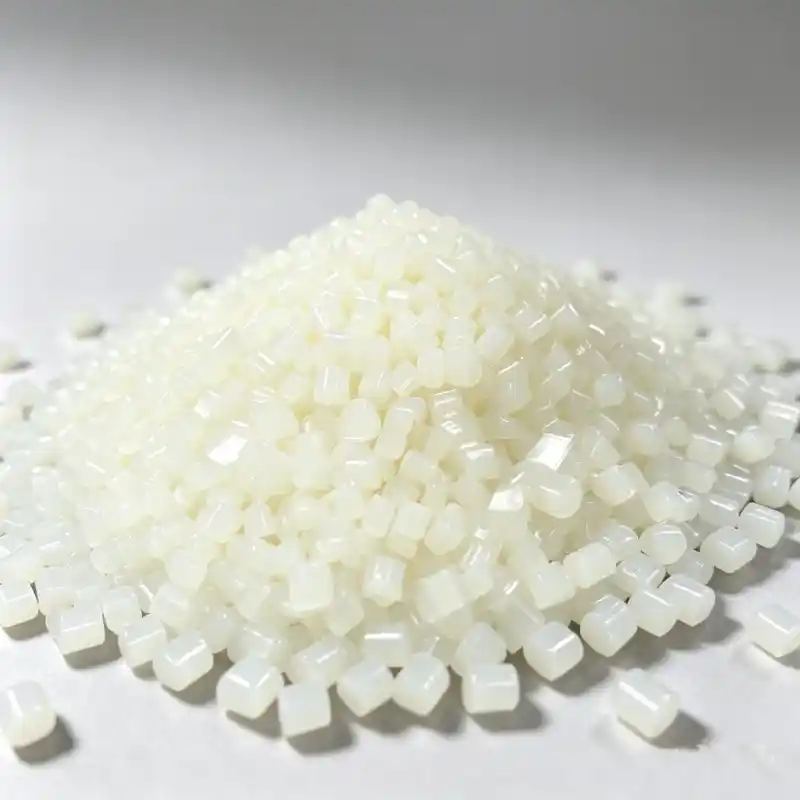
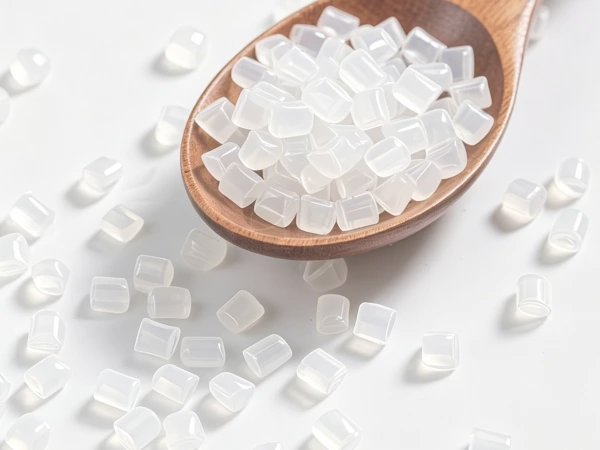
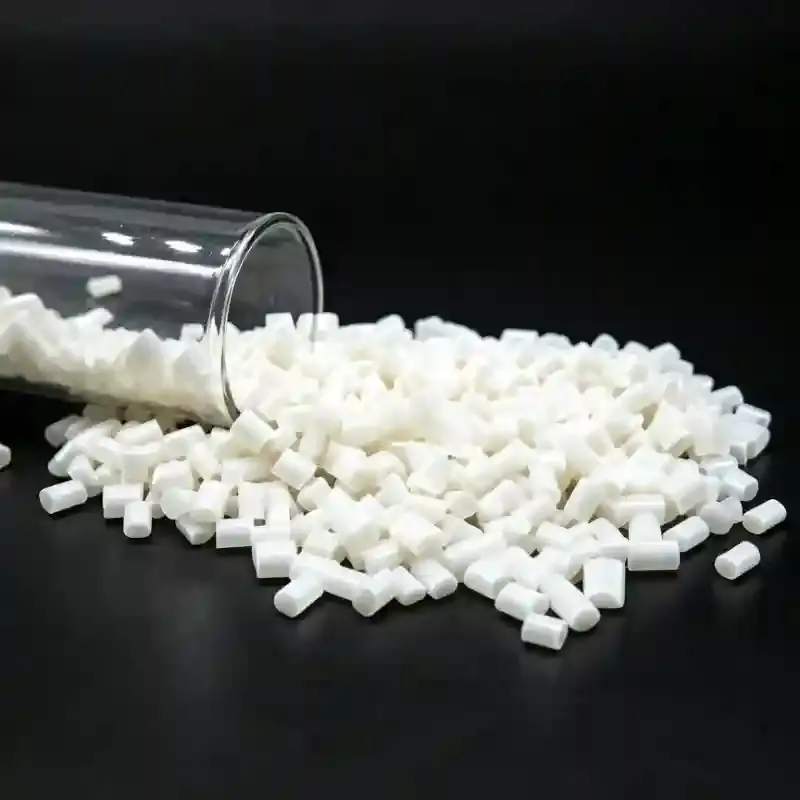
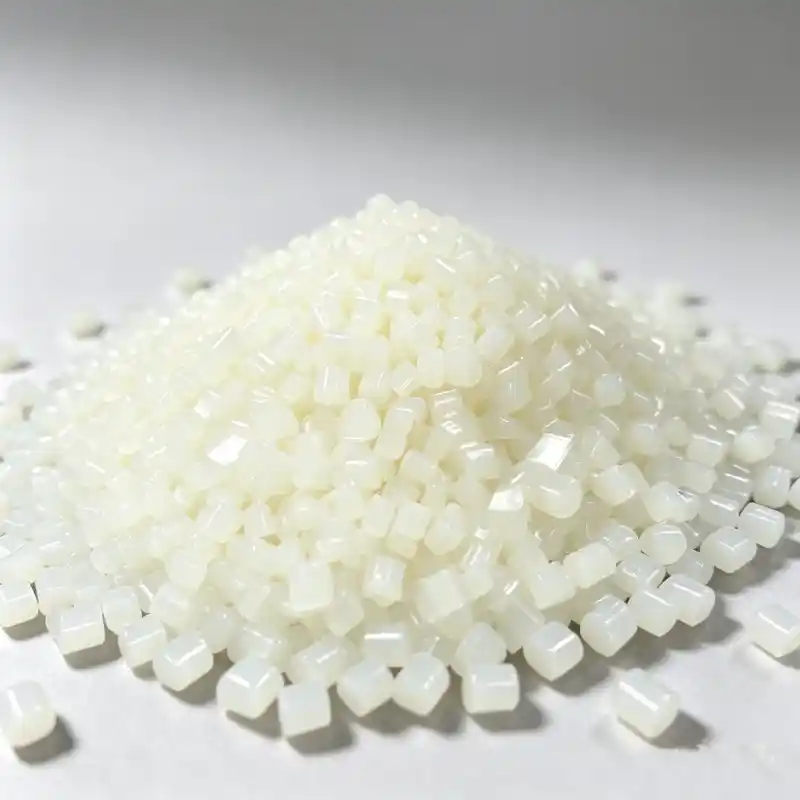
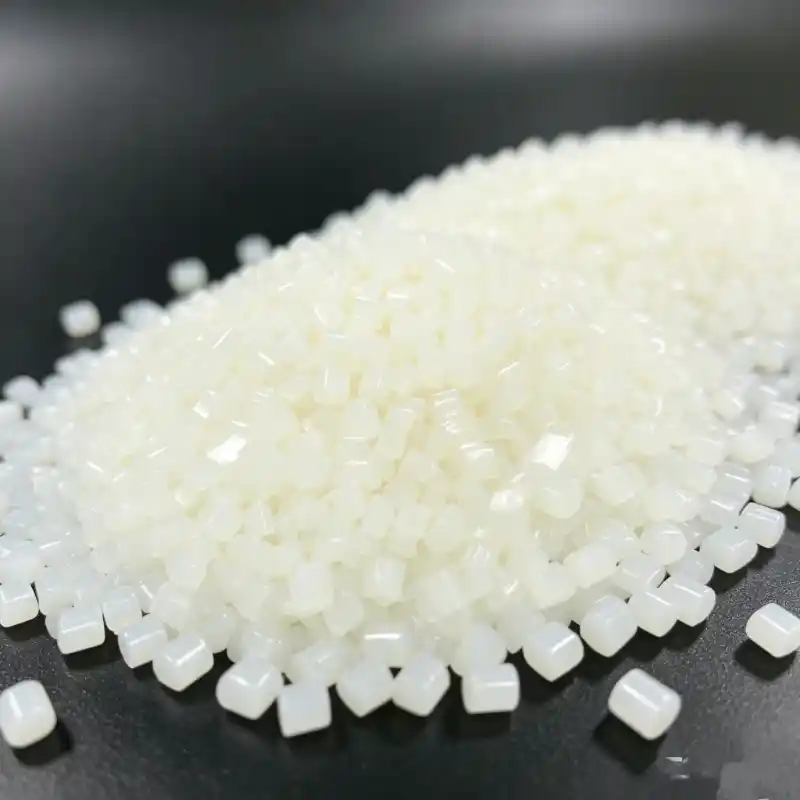
At room temperature, the material remains in a solid state (often manufactured in the form of pellets, blocks, or sticks). When heated above its specific melting point using specialized application equipment, it transforms into a highly viscous liquid. This liquid is then applied to the substrate. As it rapidly cools and returns to its solid state, it creates an incredibly strong, instantaneous bond.
This rapid transition from liquid to solid eliminates the need for drying racks or long compression times, dramatically accelerating production lines. Furthermore, the absence of volatile organic compounds (VOCs) makes these products highly desirable as eco-friendly hot melt formulas for companies looking to reduce their environmental footprint.
Primary Types of Hot Melt Adhesives
Not all thermal glues are created equal. The base polymer dictates the adhesive’s properties, temperature resistance, and ideal use cases. Below is a breakdown of the most common types used in commercial settings:
| Adhesive Type | Base Polymer | Key Characteristics | Common Industrial Uses |
| EVA | Ethylene Vinyl Acetate | Fast-setting, cost-effective, sets well on porous materials. Limited extreme temperature resistance. | General packaging, carton sealing, paper bonding. |
| Polyolefin (PO/APAO) | Metallocene / Polyolefin | Excellent thermal stability, no charring, resistant to extreme temperatures, flexible. | Specialty packaging, foam bonding, non-wovens. |
| PUR | Polyurethane | Reactive adhesive. Cures with moisture in the air to form an unbreakable, heat-resistant thermoset bond. | Edge banding, automotive interiors, electronics. |
| Polyamide | Polyamide resins | High heat resistance, excellent chemical resistance, highly durable structural bonding. | Filter manufacturing, woodworking, electrical potting. |
Major Industrial Applications and Use Cases
The versatility of these thermoplastic solutions allows them to be customized for vastly different surfaces and environmental conditions. Here is how different sectors utilize them:
1. Packaging and Logistics
The packaging industry is arguably the largest consumer of thermal adhesives. From sealing cereal boxes to securing heavy-duty corrugated shipping cartons, the fast set times keep conveyor belts moving at high speeds. Businesses constantly seek cost-effective packaging adhesives that can withstand both the freezing temperatures of cold chain logistics and the high heat of summer transit without popping open.
2. Furniture and Woodworking
In furniture manufacturing, creating seamless, aesthetically pleasing joints is critical. Manufacturers heavily rely on specialized hot melt glue for woodworking, particularly in edge banding applications where decorative edges are applied to plywood or particleboard. The rapid adhesion ensures that the boards can be machined and finished immediately after application.
3. Automotive Manufacturing
Modern vehicles are built using fewer mechanical fasteners to reduce weight and improve fuel efficiency. Today, engineers turn to advanced automotive assembly hot melt solutions to bond interior trim, headliners, seating fabrics, and even to insulate electrical wiring. These specialized grades are formulated to endure the extreme temperature fluctuations inside a parked vehicle.
4. Bookbinding and Print Finishing
The publishing industry requires adhesives that are both strong and highly flexible, ensuring that a book’s spine does not crack when opened flat. Modern bookbinding thermoplastic adhesives (especially PUR-based varieties) provide superior page-pull strength, allowing publishers to bind glossy, heavily coated paper stocks securely.
5. Textiles and Non-Wovens
From manufacturing disposable diapers and medical garments to creating layered waterproof fabrics, the textile industry requires precise adhesive application. Using textile lamination hot glue, manufacturers can bond delicate fabrics without compromising their softness, breathability, or flexibility.
The Commercial Advantages of Upgrading to HMAs
For procurement managers and production engineers, transitioning to or optimizing the use of HMAs offers significant operational benefits:
- Increased Production Speed: The instant bonding capability removes bottlenecks associated with drying times.
- Space Optimization: Eliminating drying stations frees up valuable factory floor space.
- Long Shelf Life: Because they are 100% solid, these adhesives do not freeze, settle, or expire quickly in storage.
- Cost Efficiency: While the initial investment in melting equipment is required, finding reliable industrial hot melt glue suppliers can drastically lower the cost per bond in the long run. Many factories opt to source bulk hot melt adhesives for sale to leverage economies of scale and ensure uninterrupted supply chains.
Conclusion
Understanding what a hot melt adhesive (HMA) is reveals why it is the backbone of countless manufacturing processes. By leveraging thermoplastic science, these solvent-free, fast-setting materials offer unparalleled efficiency, safety, and performance. Whether you are sealing cartons, assembling car interiors, or binding books, selecting the right base polymer and formulation is the key to achieving a flawless bond.
Frequently Asked Questions (FAQs)
Q1: How long does it take for a hot melt adhesive to dry or cure?
A: Unlike water-based glues, HMAs do not “dry”; they cool and solidify. This process, known as the “set time,” typically takes anywhere from 1 to 5 seconds depending on the specific formulation and the ambient temperature, making them incredibly fast for manufacturing lines. (Note: PUR hot melts set quickly but require 24-48 hours to fully cross-link and cure with airborne moisture).
Q2: Are hot melt adhesives waterproof?
A: Most standard EVA and Polyolefin hot melts are water-resistant and will not dissolve in water once cooled. However, for true waterproof performance and resistance to extreme weather or chemical exposure, Polyurethane (PUR) or Polyamide formulations are highly recommended.
Q3: What is the difference between open time and set time?
A: “Open time” refers to the maximum amount of time you have to join two substrates together after the adhesive has been applied before it cools too much to form a bond. “Set time” is the time it takes for the joined adhesive to solidify and develop a bond strong enough to handle stress. Choosing the right balance between the two is crucial for your specific assembly process.