





How Does Maleic Anhydride Grafted Polyethylene Wax Affect Surface Roughness in Powder Coatings?
Release time: 2026-10-27
Table of Contents
Why Surface Roughness Matters in Powder Coatings
Surface roughness is an important consideration when developing powder coating formulations. It affects the final appearance of a coated surface, including its texture, uniformity, and perceived gloss. Depending on the application, manufacturers may need a smooth finish, a controlled textured appearance, or a consistent matte effect.
Achieving the desired surface is not simply a matter of selecting a resin or adjusting the curing conditions. Functional additives can also influence how the formulation behaves during processing and film formation. Their effects depend on the interactions among the coating components, their proportions, and the processing conditions.
For formulators working with titanium dioxide (TiO₂), maleic anhydride grafted polyethylene wax is one additive worth evaluating. This modified polyethylene wax combines a polyethylene backbone with grafted maleic anhydride functionality. Its role in a formulation depends on the specific product properties and how it interacts with other ingredients.
The key question is not whether the wax always makes a coating smoother or rougher. Instead, it is how the additive and its concentration affect the resulting surface under a particular formulation and processing setup.
How Maleic Anhydride Grafted Polyethylene Wax Interacts with TiO₂
Titanium dioxide is widely used as a white pigment in powder coatings because of its high opacity and strong light-scattering properties. Its distribution within the coating formulation can influence the consistency of the finished film.
The interaction between TiO₂ and an additive is therefore relevant when developing a coating with a controlled surface appearance.
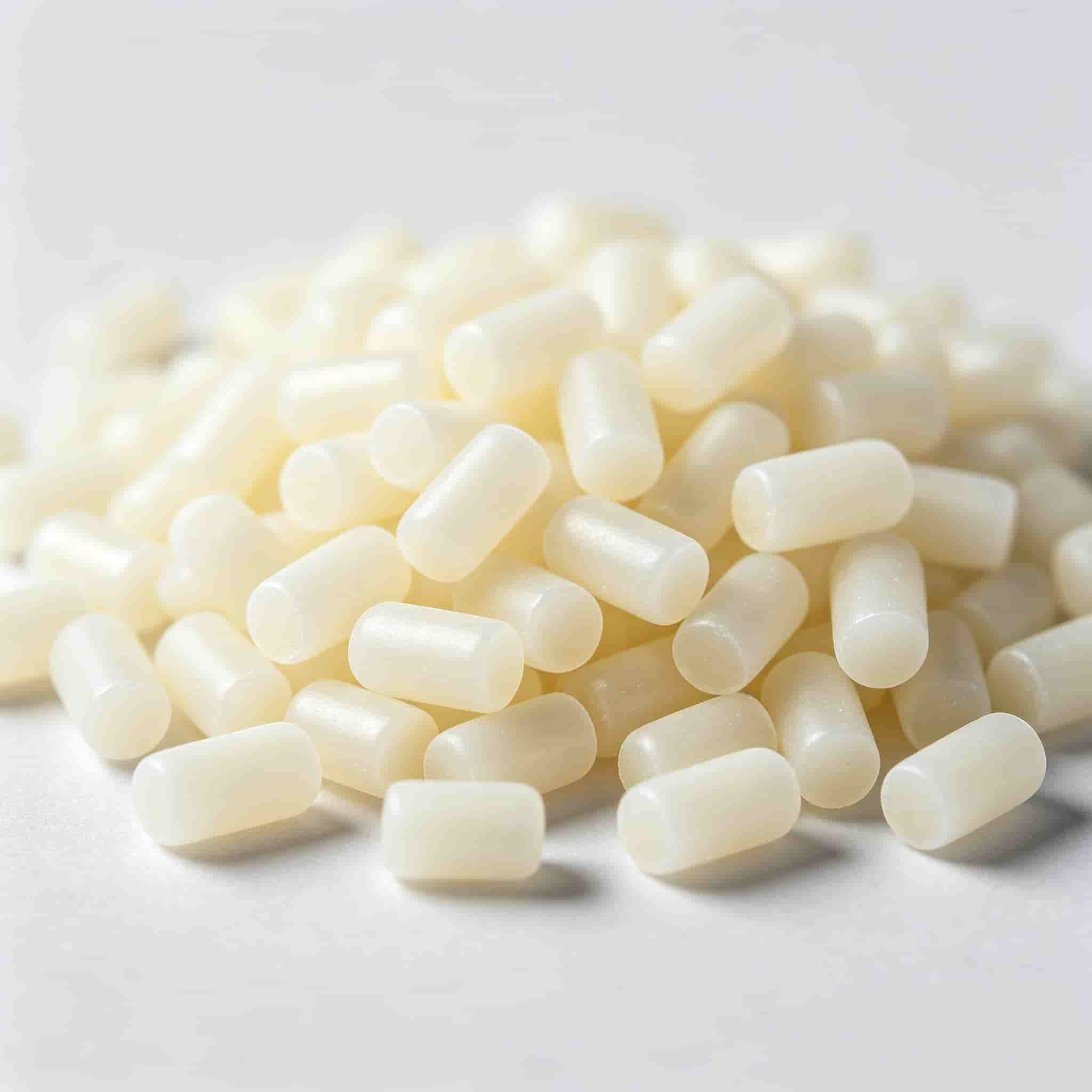
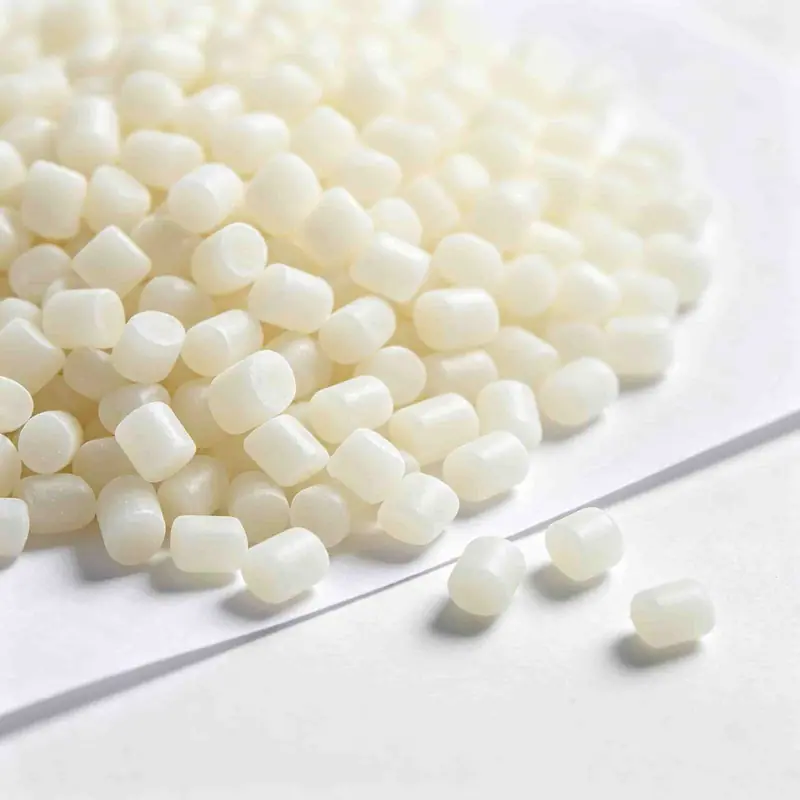
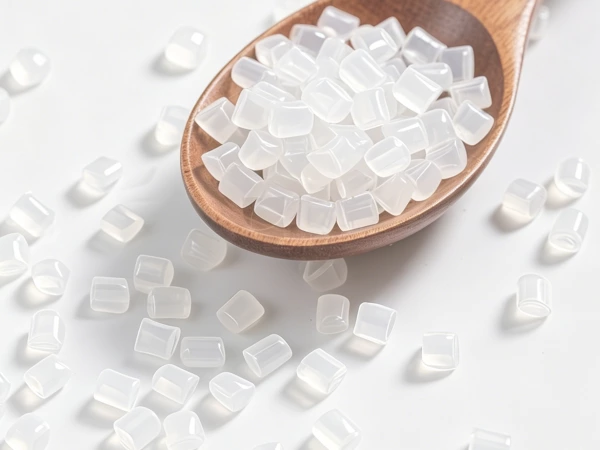
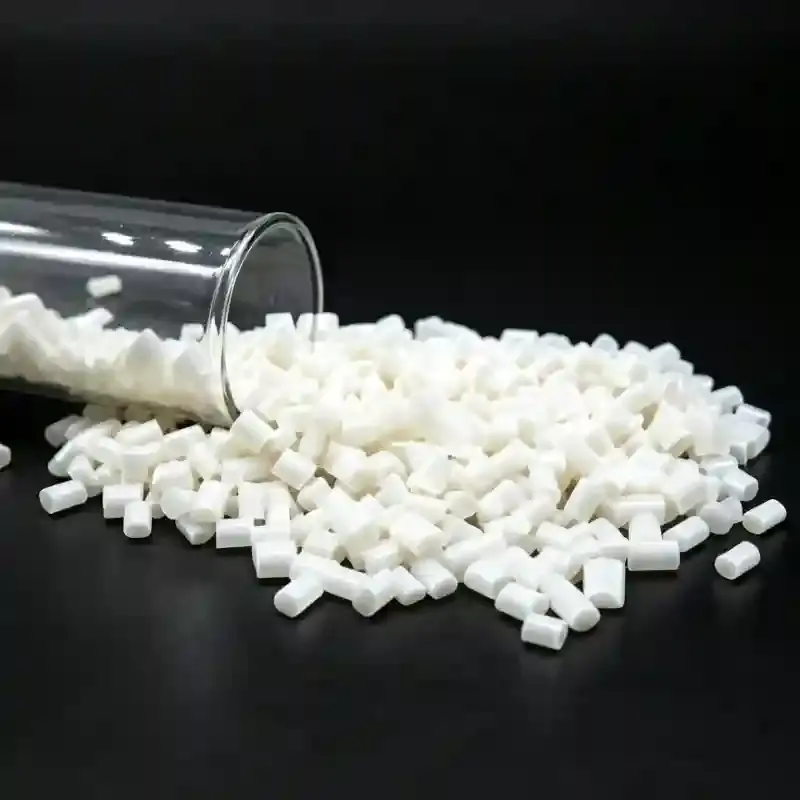
SA2501 is a high maleic anhydride-grafted polyethylene wax supplied in micropowder form. It is designed for powder coating applications and can form a structural interface with the surface of titanium dioxide. According to its product characteristics, the resulting surface roughness depends on the ratio of TiO₂ to SA2501 in the formulation.
This relationship makes the additive level an important variable during formulation development. However, the presence of an interaction does not establish that increasing the wax concentration will always increase or decrease roughness. The actual response needs to be determined in the complete coating system.
For example, two formulations containing the same wax may produce different surface characteristics if they use different TiO₂ grades, resin systems, pigment concentrations, or curing conditions. The additive should therefore be evaluated as part of the formulation rather than in isolation.
How the TiO₂-to-Wax Ratio Influences Surface Texture
The ratio between TiO₂ and the wax is a useful starting point when investigating changes in surface roughness. Rather than treating the additive as a fixed ingredient with a universal effect, formulators can use controlled trials to identify a suitable balance.
Three considerations are particularly important.
1. The relative concentrations of TiO₂ and SA2501
Changing the amount of SA2501 while keeping the TiO₂ level constant changes the ratio between the two components. This may alter their interaction within the formulation and, consequently, the surface characteristics of the cured coating.
The relationship should be assessed experimentally. A higher wax concentration does not automatically mean a rougher surface, just as a lower concentration does not guarantee a smoother finish.
A practical approach is to establish a reference formulation and then test several additive levels while keeping the other ingredients and processing conditions unchanged.
2. The type and loading of TiO₂
Not all TiO₂ grades behave identically. Particle characteristics, surface treatment, and compatibility with the surrounding formulation can influence how the pigment is incorporated into the coating.
If the TiO₂ grade or loading changes, the previously established wax-to-pigment ratio may no longer produce the same result. Formulators should therefore assess the additive in the specific pigment system intended for production.
3. The required surface finish
A smooth, high-gloss coating and a deliberately textured or matte coating do not necessarily require the same formulation strategy.
The target finish should be defined before adjusting the wax concentration. Otherwise, a change in roughness may be recorded without determining whether it represents an improvement for the intended application.
A controlled evaluation helps distinguish a desirable surface effect from unwanted unevenness or defects.
Other Factors That Affect Powder Coating Roughness
Although the TiO₂-to-wax ratio is an important consideration for SA2501, it is not the only variable that determines the final surface.
| Formulation or process factor | Why it matters |
|---|---|
| Resin system | Resin chemistry and melt behavior influence film formation and leveling. |
| TiO₂ grade and loading | Pigment characteristics and concentration affect dispersion and the final coating structure. |
| Wax concentration | The additive level may influence surface characteristics through its interaction with other formulation components. |
| Powder particle size distribution | Particle size and distribution can affect powder handling, application, and film uniformity. |
| Extrusion and dispersion | Mixing conditions influence how consistently ingredients are distributed throughout the formulation. |
| Curing conditions | Temperature and curing time affect melt flow, leveling, and the development of the final film. |
| Film thickness | Changes in deposited film thickness can influence the appearance and measured surface profile. |
These factors should be considered together. For instance, a roughness difference observed after increasing the wax level may also be affected by changes in dispersion or film formation. Without controlling the other variables, it can be difficult to identify the actual cause.
How to Evaluate a Polyethylene Wax Additive for Powder Coatings
When selecting a polyethylene wax for powder coatings, formulators should consider more than the general function described in a product specification. The additive must be evaluated in the intended resin, pigment, and curing system.
A structured trial can help determine whether the wax is suitable for the required finish.
Step 1: Establish a reference formulation
Prepare a baseline formulation using the existing resin, TiO₂, pigments, and other additives. Record the processing conditions and measure the surface characteristics of the cured coating.
This reference provides a consistent point of comparison for subsequent trials.
Step 2: Vary the wax concentration systematically
Prepare several formulations with different SA2501 concentrations while keeping the remaining ingredients as consistent as possible. This helps establish how changes in the wax level relate to surface roughness in the selected system.
The trial range should be determined through preliminary testing and the supplier’s technical recommendations rather than assuming a universal dosage.
Step 3: Keep processing conditions consistent
Maintain consistent extrusion, grinding, application, film thickness, and curing conditions across the test samples. Otherwise, processing differences may obscure the effect of the additive.
If the formulation uses different TiO₂ grades or loadings, evaluate those changes separately where practical.
Step 4: Measure the finished surface
Visual inspection can identify obvious differences, but quantitative measurements provide a more reliable basis for comparison. Depending on the application, suitable methods may include surface profilometry and standardized gloss measurements.
Roughness and gloss are related aspects of surface appearance, but they are not interchangeable measurements. A lower roughness value does not necessarily guarantee a particular gloss level.
Step 5: Assess the overall coating performance
Surface appearance is only one part of additive selection. The final formulation should also meet relevant requirements for film integrity, adhesion, durability, and application performance.
The most suitable additive level is the one that meets the target surface specification without compromising other essential properties.
Choosing a Polyethylene Wax Additive for a Consistent Finish
A polyethylene wax additive for powder coatings should be selected according to its properties, compatibility with the formulation, and demonstrated performance in the intended application.
For SA2501, the documented interaction with TiO₂ makes the relative proportions of wax and pigment an important area for evaluation. Its high maleic anhydride grafting level and micropowder form are also relevant when reviewing the product’s suitability for a specific formulation.
However, product selection should not rely on the assumption that one additive will produce the same surface effect in every powder coating system. Resin chemistry, pigment characteristics, processing, and curing all contribute to the final result.
Banner‘s SA2501 is a candidate for formulators investigating surface texture in TiO₂-containing powder coatings. Testing the additive at controlled concentrations in the intended formulation is the practical way to establish its effect and determine whether it meets the required surface specification.
Frequently Asked Questions
Does maleic anhydride grafted polyethylene wax always reduce surface roughness?
No. Its effect depends on the formulation, including the TiO₂-to-wax ratio and processing conditions. Testing is needed to determine whether it produces the desired surface characteristics in a particular coating system.
Why is the TiO₂-to-SA2501 ratio important?
The product’s stated characteristics identify a structural interface between SA2501 and TiO₂, with surface roughness depending on their relative proportions. Changing that ratio can therefore be an important variable to investigate during formulation development.
How should the suitable dosage of SA2501 be determined?
Start with the existing formulation as a reference, then test several additive concentrations while controlling other ingredients and processing conditions. Compare measured roughness, gloss, and other relevant coating properties before selecting the final dosage.
Can the same polyethylene wax be used in other filled polymer applications?
SA2501 is also described as a coupling agent for polyethylene modified with fiberglass, wood fiber, natural fiber, and inorganic fillers. Its suitability and dosage in these applications should be evaluated separately from its use in powder coatings.