




Smooth Aluminum Sheath Adhesive Resin vs EAA for HV Cables
Release time: 2026-09-24
Table of Contents
In medium-, high-, and ultra-high-voltage cable manufacturing, the adhesive layer between a smooth aluminum sheath and the outer polymer jacket plays an important role in the integrity of the cable structure. For this specific application, HA400A is designed as a smooth aluminum cable sheath adhesive resin.
The correct comparison for HA400A is not a general thermoplastic powder adhesive or a laminate adhesive used in unrelated converting processes. Within smooth aluminum sheath cable constructions, its relevant comparison material is EAA (ethylene-acrylic acid copolymer) when EAA is used as an adhesive layer between aluminum and an outer polyethylene-based sheath.
HA400A and EAA can both provide metal-to-polymer adhesion. However, in smooth aluminum sheath structures for demanding power cable applications, HA400A is intended to provide stronger peel adhesion and higher temperature resistance than EAA.
Why the Smooth Aluminum Sheath Interface Matters
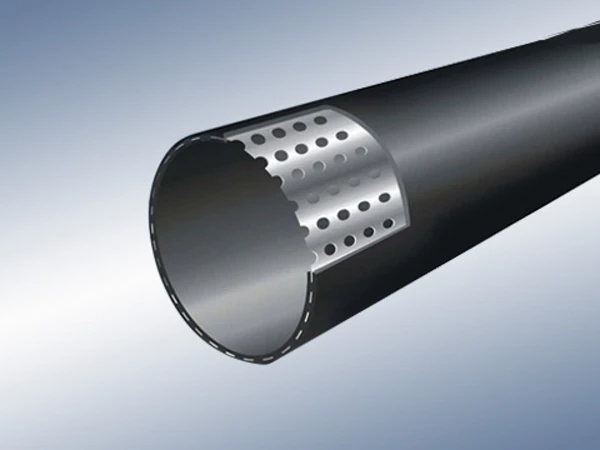
A smooth aluminum sheath is used in selected power cable constructions to form a continuous metallic layer around the cable core. In this structure, the aluminum sheath is combined with an outer polymer jacket, and the adhesive layer is placed between these two materials.
The adhesive layer must create a reliable connection between aluminum and polyolefin-based materials. A properly selected resin helps create a bonded aluminum-polymer construction rather than two independent layers that may move separately. This bonded structure supports the overall integrity of the cable sheath system.
For smooth aluminum sheath cables, the adhesive is not simply a general-purpose bonding material. It is a functional layer within a cable design intended for medium-, high-, and ultra-high-voltage applications.
What Is HA400A?
HA400A is a polyethylene based adhesive resin formulated for use between smooth aluminum sheaths and polyolefin outer jackets in power cable constructions.
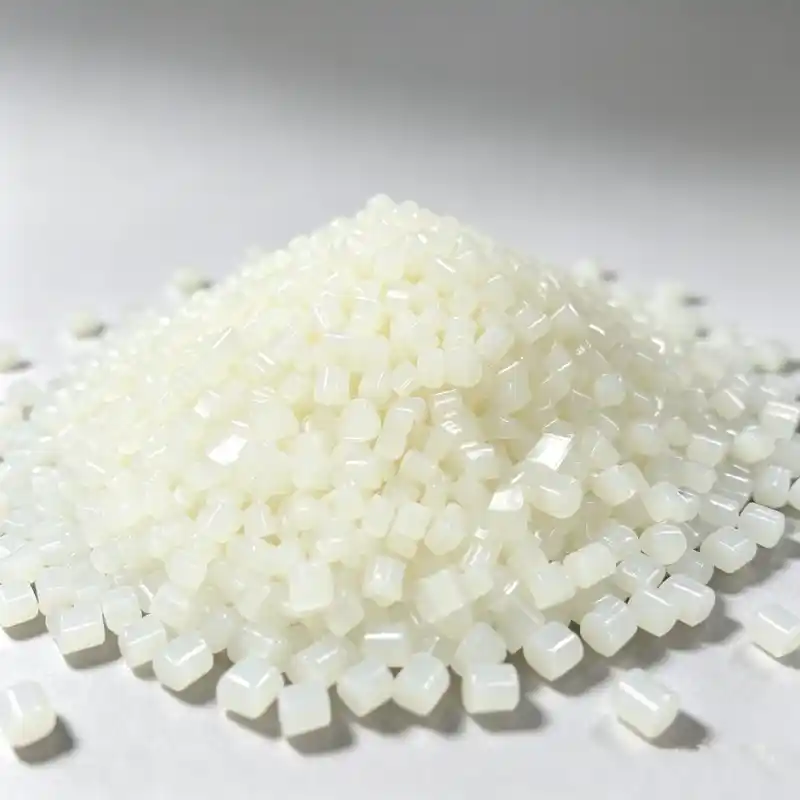
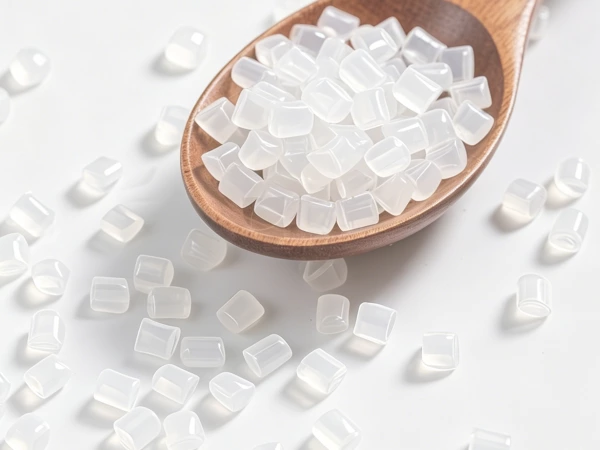
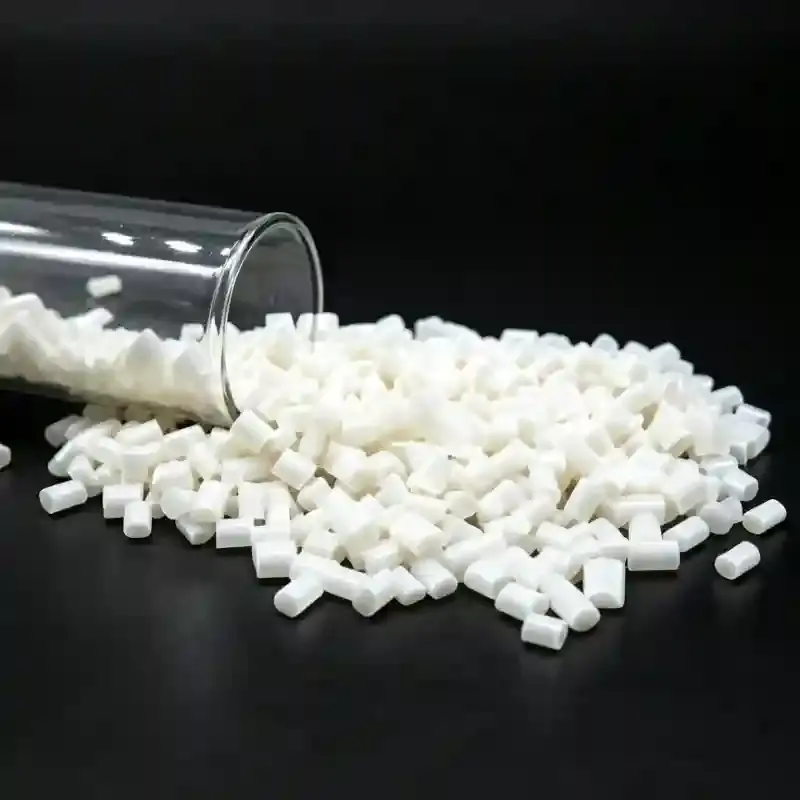
It is supplied in pellet form for extrusion and is used as a continuous adhesive layer during cable manufacturing. The resin is applied between the smooth aluminum sheath and the outer jacket, allowing the two layers to bond during the extrusion process.
The product is designed to adhere to smooth aluminum and to polyethylene-based jacketing materials, including:
- XLPE
- HDPE
- MDPE
- PERT
The polyethylene-based structure supports compatibility with polyolefin jackets, while its polar groups improve adhesion to the aluminum surface. This combination enables the resin to act as an aluminum to polyethylene adhesive resin in smooth aluminum cable sheath constructions.
Main Functions of HA400A
HA400A is used to support the following functions in smooth aluminum sheath power cables:
- Bonding the smooth aluminum sheath to the outer polyethylene-based jacket
- Improving peel adhesion at the aluminum-polymer interface
- Supporting the integrity of the bonded sheath construction
- Providing a compatible interface between aluminum and XLPE, HDPE, MDPE, or PERT
- Supporting cable structures that require high temperature resistance and strong interlayer adhesion
The material is specifically positioned for cable manufacturers using smooth aluminum sheath designs. It is not a general-purpose adhesive for every type of aluminum cable sheath or every metal-plastic laminate.
Smooth Aluminum Sheath Only: Not for Corrugated Aluminum Sheaths
The product application is defined by its name: HA400A is intended for smooth aluminum cable sheaths.
A smooth aluminum sheath and a corrugated aluminum sheath are different cable structures. They have different surface geometry, structural behavior, production methods, and bonding requirements. A corrugated aluminum sheath has formed ridges and valleys, while a smooth aluminum sheath provides a continuous, uniform surface for the adhesive layer and outer polymer jacket.
For this reason, HA400A should not be presented as a solution for corrugated or wrinkled aluminum cable sheaths.
HA400A is suitable for:
- Smooth aluminum sheath cable constructions
- Bonding smooth aluminum to XLPE, HDPE, MDPE, or PERT jackets
- Extrusion-based cable manufacturing processes
- Medium-, high-, and ultra-high-voltage cable designs
Maintaining this distinction is important in technical content. Describing HA400A as suitable for corrugated aluminum sheaths would be inaccurate and could mislead cable manufacturers selecting a resin for a specific sheath structure.
What Is EAA in Smooth Aluminum Sheath Cables?
EAA refers to ethylene-acrylic acid copolymer. It is an ethylene-based copolymer containing acrylic acid functional groups. These polar groups can help EAA adhere to metal surfaces and other polar substrates.
In some smooth aluminum sheath cable structures, EAA has been used as an adhesive layer between the aluminum sheath and the outer polyethylene-based jacket. In this application, EAA functions as a metal-to-polymer bonding material.
That is why EAA is the relevant comparison material for HA400A.
The comparison is not based on whether EAA is used in all cable types or all industrial applications. Instead, it is based on a specific structural position:
Smooth aluminum sheath + adhesive layer + polyethylene-based outer jacket
In this smooth aluminum sheath interface, HA400A serves as an alternative to EAA for this structure.
HA400A vs EAA: Core Differences
Both HA400A and EAA can serve as an adhesive layer between aluminum and polyethylene-based materials. However, HA400A is developed specifically for the smooth aluminum sheath cable application, while EAA is a broader ethylene copolymer adhesive material used in multiple bonding applications.
| Feature | HA400A Smooth Aluminum Sheath Adhesive Resin | EAA (Ethylene-Acrylic Acid Copolymer) |
|---|---|---|
| Primary role in this comparison | Adhesive layer between smooth aluminum sheath and outer polyolefin jacket | Adhesive layer that may be used between aluminum and polyethylene-based materials |
| Product positioning | Specifically for smooth aluminum sheath power cable structures | General ethylene-based adhesive copolymer |
| Suitable sheath type | Smooth aluminum sheath | Can be used in metal-to-polymer bonding applications, depending on formulation and design |
| Corrugated aluminum sheath suitability | Not suitable | Must be assessed according to the specific EAA grade and cable structure |
| Main jacket compatibility | XLPE, HDPE, MDPE, PERT | Polyethylene-based materials, subject to formulation and processing conditions |
| Form | Pellet resin for extrusion | Commonly supplied as resin pellets |
| Temperature resistance | Higher temperature resistance for smooth aluminum sheath cable applications | Lower high-temperature performance relative to HA400A in this application |
| Peel strength | Stronger peel adhesion in smooth aluminum sheath structures | Lower peel adhesion relative to HA400A in this application |
| Typical target cables | Medium-, high-, and ultra-high-voltage cables with smooth aluminum sheaths | May be used as an adhesive material in applicable aluminum-polymer structures |
The key point is not that EAA cannot bond aluminum and polyethylene. It can perform this function in appropriate applications. The point is that HA400A is designed to replace EAA specifically where stronger peel force and improved high-temperature resistance are required in smooth aluminum sheath cable designs.
Higher Temperature Resistance for Demanding Cable Structures
Medium-, high-, and ultra-high-voltage power cables operate under more demanding electrical and thermal conditions than ordinary household cables. The cable structure must therefore be designed with materials that can maintain their function under elevated temperature conditions.
At the smooth aluminum-to-polyethylene interface, the adhesive layer needs to remain stable and maintain bonding performance. If the adhesive layer softens excessively, loses cohesion, or experiences reduced adhesion under heat, the integrity of the bonded sheath construction may be affected.
Compared with EAA in this application, HA400A provides higher temperature resistance.
This is particularly relevant for cable manufacturers producing smooth aluminum sheath cables for medium-, high-, and ultra-high-voltage projects, where material selection is based on long-term structural reliability rather than only initial adhesion.
Stronger Peel Strength Between Aluminum and Polyolefin Jackets
Peel strength is one of the most relevant performance indicators for the bonding layer between a smooth aluminum sheath and an outer polymer jacket.
In a bonded sheath structure, the adhesive layer must resist separation between the aluminum and the outer jacket. This is important during:
- Cable extrusion and cooling
- Reeling and unreeling
- Transportation and handling
- Cable pulling and installation
- Bending during installation
- Thermal expansion and contraction during service
Compared with EAA for this smooth aluminum sheath application, HA400A provides stronger peel adhesion.
Higher peel strength helps reduce the risk of interlayer separation between the smooth aluminum sheath and the outer polyethylene-based jacket. It supports a more secure bonded structure, especially where the cable must maintain sheath integrity under mechanical handling and temperature variation.
Application Scope: Medium-, High-, and Ultra-High-Voltage Cables
HA400A is intended for smooth aluminum sheath constructions used in medium-, high-, and ultra-high-voltage power cables.
These cable categories require more demanding material performance than ordinary household electrical wire or low-voltage distribution cable. In particular, smooth aluminum sheath structures are selected where a bonded metallic sheath and outer polymer jacket are required as part of a robust cable design.
Typical application positioning includes:
- Medium-voltage power cable systems using smooth aluminum sheath structures
- High-voltage XLPE cable systems
- Ultra-high-voltage power cable systems
- Cable projects requiring a bonded smooth aluminum and polyethylene outer sheath construction
- Cable designs using XLPE, HDPE, MDPE, or PERT outer jacketing materials
HA400A is not intended for everyday low-voltage household wires and cables. Those applications generally do not use the same smooth aluminum sheath structure or require the same level of adhesive performance.
It is also not intended for ordinary medium-low-voltage cables where a smooth aluminum sheath adhesive layer is not part of the cable design.
How to Choose Between HA400A and EAA
The choice between HA400A and EAA should be based on the actual cable structure and required performance level.
HA400A is the more appropriate option when:
- The cable uses a smooth aluminum sheath
- The outer jacket is XLPE, HDPE, MDPE, or PERT
- The adhesive layer is applied through cable extrusion
- The product is a medium-, high-, or ultra-high-voltage cable
- Higher temperature resistance is required
- Stronger peel strength is required between the smooth aluminum sheath and outer polyolefin jacket
- The design requires an adhesive resin specifically developed for smooth aluminum sheath bonding
EAA may be considered where it is technically approved for the applicable aluminum-to-polyethylene bonding structure and where the cable specification does not require the enhanced temperature resistance and peel strength provided by HA400A.
However, for the specified smooth aluminum sheath cable application, HA400A is positioned as the replacement for EAA when improved heat resistance and stronger peel adhesion are required.
Conclusion
HA400A is a smooth aluminum cable sheath adhesive resin developed for bonding smooth aluminum sheaths to XLPE, HDPE, MDPE, and PERT outer jackets in medium-, high-, and ultra-high-voltage cable constructions.
Its relevant comparison material is EAA when EAA is used as an adhesive layer in the same smooth aluminum sheath structure. HA400A is positioned as an alternative to EAA where cable manufacturers require higher temperature resistance and stronger peel adhesion between the smooth aluminum sheath and the polyethylene-based outer jacket.
The application boundary is clear:
- HA400A is for smooth aluminum sheaths
- HA400A is not for corrugated or wrinkled aluminum sheaths
- HA400A is for medium-, high-, and ultra-high-voltage power cable structures
- HA400A is not intended for ordinary household low-voltage cables or typical medium-low-voltage cable applications
For cable manufacturers producing smooth aluminum sheath power cables, selecting an adhesive resin designed for this exact interface can help support a stronger and more reliable bonded sheath construction.
FAQ
What is HA400A used for?
HA400A is used as an adhesive interface layer between a smooth aluminum cable sheath and an outer jacket made of XLPE, HDPE, MDPE, or PERT. It is intended for medium-, high-, and ultra-high-voltage cable structures.
Can HA400A be used for corrugated aluminum cable sheaths?
No. HA400A is designed for smooth aluminum sheaths only. It should not be used for corrugated or wrinkled aluminum cable sheath constructions.
How does HA400A compare with EAA?
In smooth aluminum sheath cable applications, HA400A can replace EAA as the adhesive layer between the aluminum sheath and the outer polyolefin jacket. Compared with EAA, HA400A provides higher temperature resistance and stronger peel adhesion for this application.
Is HA400A suitable for low-voltage household cables?
No. HA400A is intended for smooth aluminum sheath structures in medium-, high-, and ultra-high-voltage power cables. It is not intended for ordinary household low-voltage cables or common medium-low-voltage cable constructions.