



Understanding the Different Types of Hot Melt Adhesives
Release time: 2026-08-28
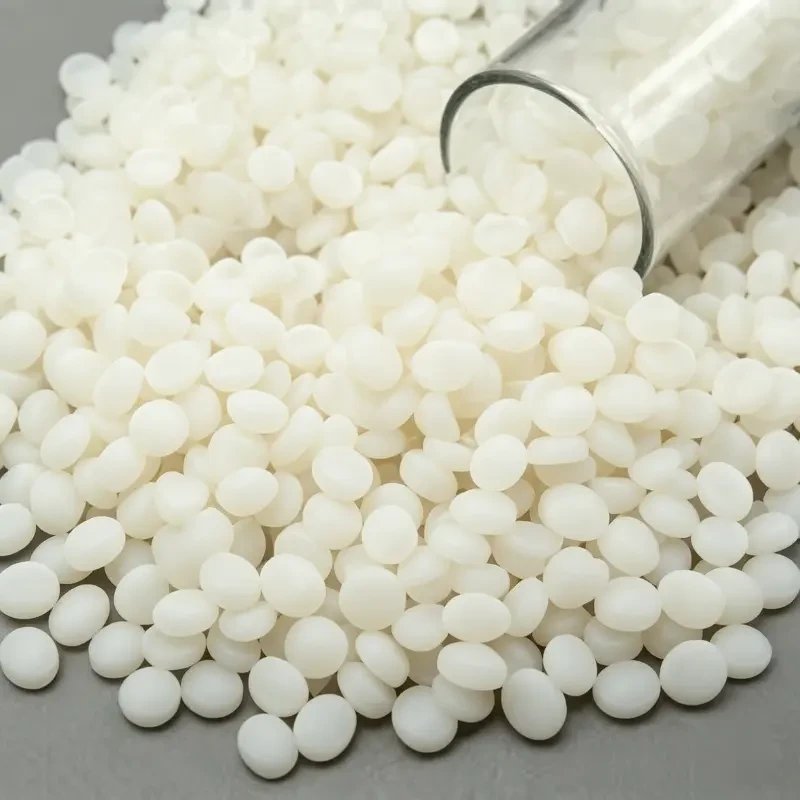
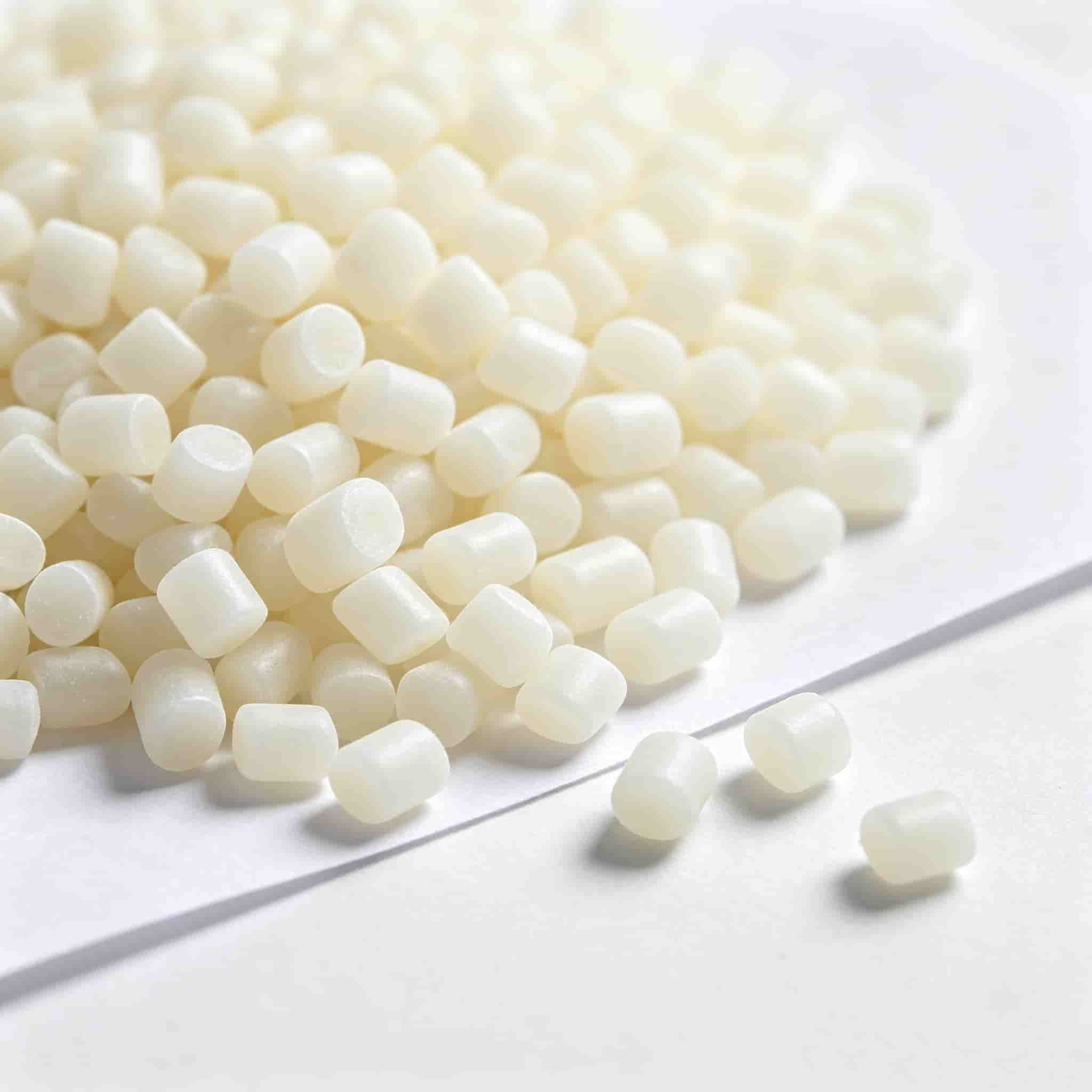
Hot melt adhesives are a crucial component in modern manufacturing and packaging, offering rapid bonding, versatility, and efficiency. Unlike solvent-based adhesives, hot melts are 100% solid thermoplastics that are applied in a molten state and form a strong bond as they cool and solidify. This unique characteristic makes them indispensable across various sectors, from woodworking and bookbinding to product assembly and packaging. However, not all hot melts are created equal. Navigating the world of industrial adhesives requires an understanding of the specific formulations available, as each type is engineered with distinct properties to meet the demands of different applications and substrates. This guide will explore the primary types of hot melts to help you make an informed decision for your operational needs.
The Core Mechanisms of Hot Melt Adhesives
Before diving into the specific types, it is helpful to understand the basic composition of a typical industrial hot melt adhesive. They generally consist of three main components:
- Polymers: The backbone of the adhesive, providing strength, flexibility, and heat resistance.
- Tackifiers: Resins added to improve the “wetting” ability and immediate stickiness (tack) of the adhesive.
- Waxes: Used to control the viscosity (flow) and set time (how quickly it hardens) of the adhesive.
The specific combination and ratio of these ingredients determine the final properties of the hot melt, making it suitable for particular applications.
Major Types of Hot Melt Adhesives
The most common way to categorize hot melt adhesives is by their primary base polymer. Here are the most widely used types in industrial applications today.
Ethylene Vinyl Acetate (EVA) Hot Melts
EVA is arguably the most recognized and widely utilized base polymer in the hot melt industry. An EVA hot melt glue is favored for its remarkable versatility, cost-effectiveness, and broad range of adhesion capabilities.
Key Characteristics:
- Versatility: Adheres well to a wide variety of porous and some non-porous substrates, including paper, cardboard, wood, and certain plastics.
- Set Speed: Generally offers fast set times, making it ideal for high-speed automated packaging lines.
- Cost-Effective: Typically the most economical option among hot melt adhesives.
- Temperature Sensitivity: Can become brittle in freezing temperatures and may soften or lose bond strength at high temperatures.
Common Applications:
- Carton sealing and case erecting.
- Bookbinding.
- Woodworking (edge banding, profile wrapping).
- Product assembly where extreme temperature resistance is not a primary requirement.
Polyolefin (Metallocene) Hot Melts
Polyolefin adhesives, often referred to simply as PO or Metallocene hot melts, represent a significant advancement in adhesive technology. Formulated using specialized catalysts, a polyolefin hot melt adhesive offers enhanced performance characteristics compared to traditional EVA formulations.
Key Characteristics:
- Thermal Stability: Excellent resistance to charring and gel formation in the melt tank, leading to reduced maintenance and downtime.
- Broad Temperature Range: Maintains a strong bond in both extreme cold and high-heat environments.
- Low Odor and Smoke: Improves the working environment for operators.
- Excellent Adhesion: Bonds effectively to difficult substrates, including coated papers and low-surface-energy plastics.
- Mileage: Often provides better mileage (more bonds per pound) due to lower density, partially offsetting the higher initial cost per pound compared to EVA.
Common Applications:
- Freezer grade packaging.
- Hot-fill packaging applications.
- Bonding complex or difficult-to-adhere surfaces.
- Applications demanding high aesthetic quality (no char or stringing).
Polyamide (PA) Hot Melts
Polyamide hot melts are high-performance adhesives designed for demanding applications requiring exceptional strength and resistance to harsh environments.
Key Characteristics:
- High Temperature Resistance: Can withstand significantly higher temperatures than EVA or PO adhesives without failing.
- Chemical Resistance: Offers robust resistance to plasticizers, oils, and various chemicals.
- Strength: Provides very high tensile and shear strength.
Common Applications:
- Automotive interior assembly.
- Electronics potting and encapsulation.
- Woodworking (specialty applications).
- Filter manufacturing.
Polyurethane (PUR) Hot Melts
PUR hot melts are unique because they are reactive adhesives. They are applied hot like a standard hot melt, but upon cooling, they undergo a chemical cross-linking reaction with moisture in the air or the substrate.
Key Characteristics:
- Extreme Durability: The cross-linking process creates an incredibly strong, permanent bond that is highly resistant to heat, cold, and moisture.
- Flexibility: Maintains flexibility even after full curing.
- Long Open Times: Can offer longer open times, allowing for complex assembly processes.
- Specialized Equipment: Requires specialized, moisture-sealed melting and dispensing equipment to prevent premature curing in the system.
Common Applications:
- Furniture manufacturing and edge banding.
- Profile wrapping of challenging materials.
- Automotive assembly.
- Textile lamination.
Comparing the Main Types
To help summarize the differences, here is a quick comparison of the most common base polymers used in any standard industrial hot melt adhesive:
| Feature | EVA | Polyolefin (PO) | Polyamide (PA) | Polyurethane (PUR) |
|---|---|---|---|---|
| Cost | Low | Medium | High | High |
| Thermal Stability (Tank) | Fair | Excellent | Good | N/A (Requires sealed system) |
| Heat Resistance (Bond) | Low to Medium | Medium to High | High | Very High |
| Cold Resistance (Bond) | Fair | Excellent | Good | Excellent |
| Bond Strength | Good | Very Good | Excellent | Ultimate (Cross-linked) |
| Primary Use | General Packaging | Demanding Packaging | High-Heat Environments | Structural Bonding |
Choosing the Right Hot Melt
Selecting the correct adhesive is critical for the success of your operation. When evaluating an EVA hot melt glue versus a polyolefin hot melt adhesive or any other type, consider the following factors:
- Substrates: What materials are you bonding? Are they porous, non-porous, coated, or low-surface-energy?
- Environment: Will the finished product be exposed to extreme cold (freezers), high heat (hot-fill, transportation), or chemicals?
- Application Method: What type of dispensing equipment are you using (spray, bead, slot die)?
- Line Speed: What is the required set time for your automated machinery?
- Budget: What is the total cost of ownership, considering adhesive price, mileage, and maintenance?
By understanding the distinct properties of EVA, polyolefin, polyamide, and PUR, manufacturers can optimize their assembly and packaging lines for maximum efficiency and product reliability.
Frequently Asked Questions (FAQs)
1. Can I use Polyolefin hot melt in the same equipment as my current EVA hot melt?
Yes, in most cases, Polyolefin hot melts can be used in the same melting tanks and dispensing systems as EVA adhesives. However, it is crucial to perform a thorough system flush when switching between different chemistries to prevent cross-contamination, which can lead to gelling, clogged nozzles, and inconsistent application. Always consult with your adhesive supplier for specific changeover procedures.
2. Why is PUR hot melt considered “reactive,” and what does that mean for my process?
PUR is considered “reactive” because it relies on a chemical reaction with moisture to achieve its final bond strength. Unlike EVA or Polyolefin, which simply solidify upon cooling, PUR cross-links. This means that once the bond is fully cured (which can take 24-48 hours depending on humidity), it cannot be re-melted by applying heat. For your process, this necessitates using specialized sealed equipment to prevent the adhesive from curing prematurely inside the melter or hoses due to ambient humidity.
3. If Polyolefin has better performance, why would anyone still use EVA?
While Polyolefin adhesives offer superior thermal stability, mileage, and temperature resistance, EVA remains incredibly popular primarily due to its cost-effectiveness and versatility. For standard, non-demanding applications like simple corrugated carton sealing where extreme temperatures or difficult substrates are not a factor, EVA provides a reliable and highly economical solution. The choice depends entirely on balancing performance requirements with budget constraints.