





What is the Polyethylene Micropowder?
Release time: 2026-07-14
Table of Contents
In the modern manufacturing landscape, achieving the perfect surface finish, enhancing durability, or optimizing a production process often relies on invisible, microscopic additives. Among these unsung heroes of the chemical industry, one material stands out due to its incredible versatility and performance. If you have ever wondered, what is the polyethylene micropowder, you are about to discover a critical component that drives innovation across multiple sectors, from advanced coatings to high-performance plastics.
This comprehensive guide will delve deep into the chemical nature, physical properties, manufacturing processes, and extensive application scenarios of this unique polymeric material.
Defining the Substance
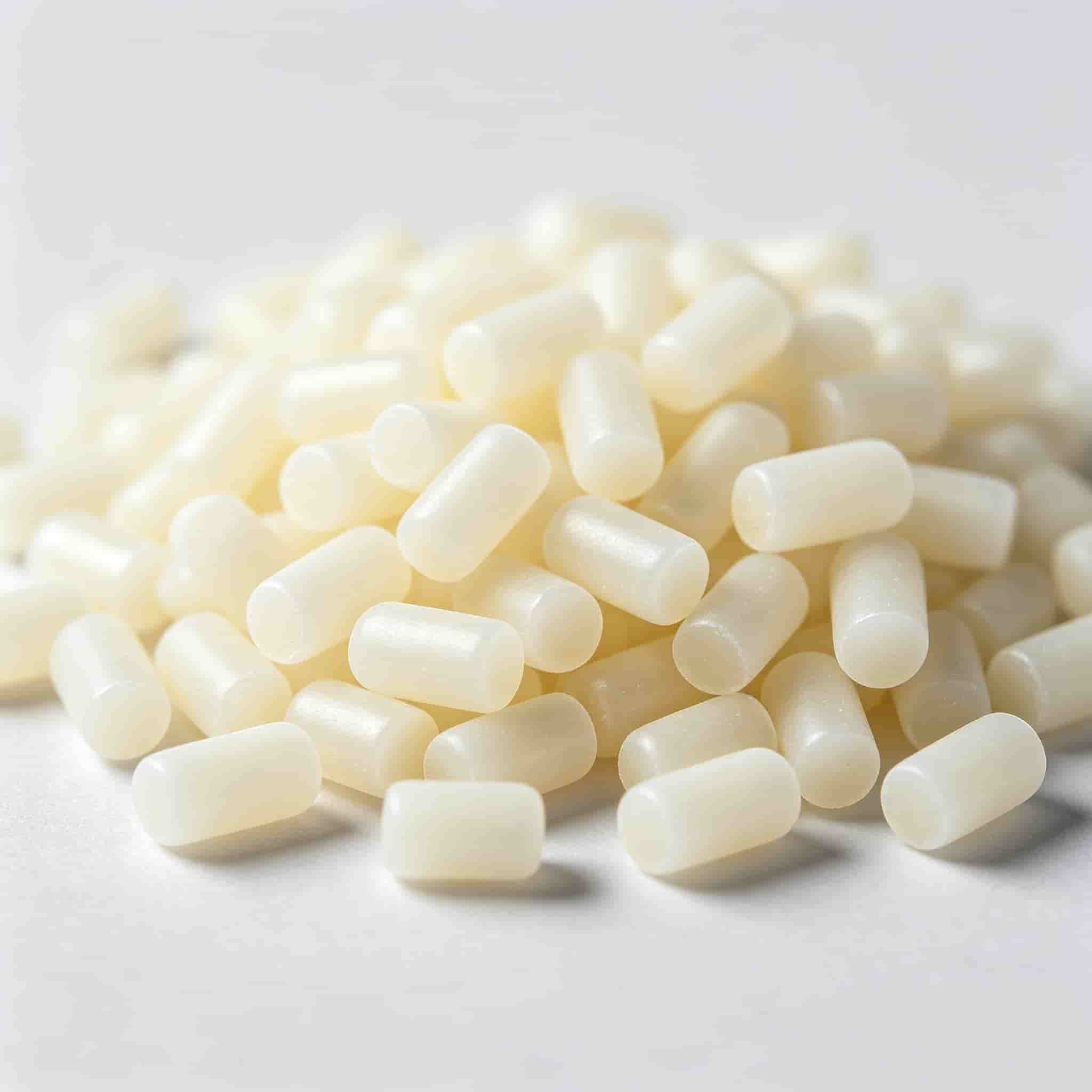
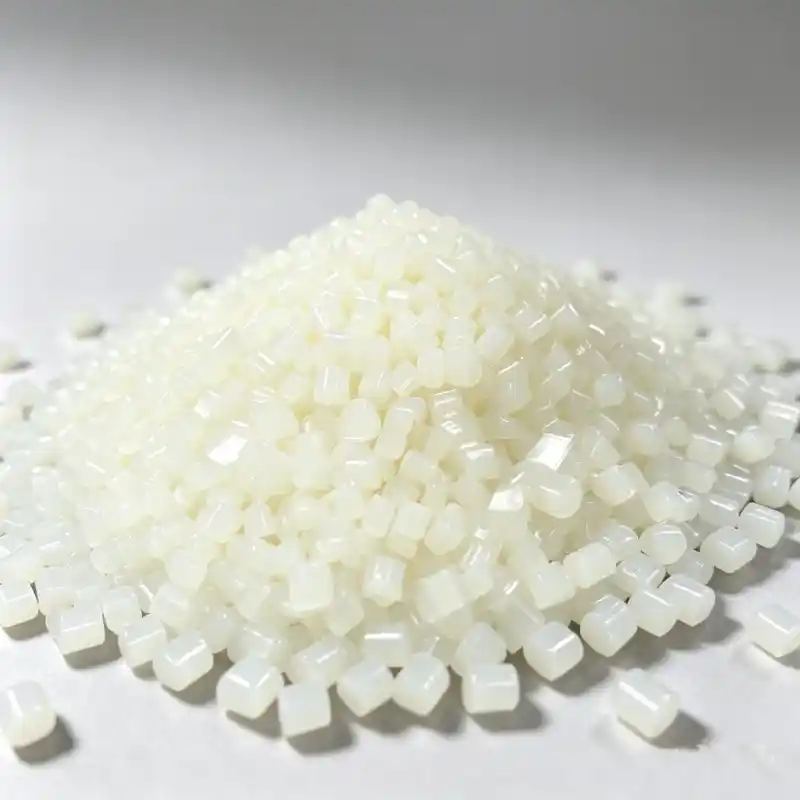
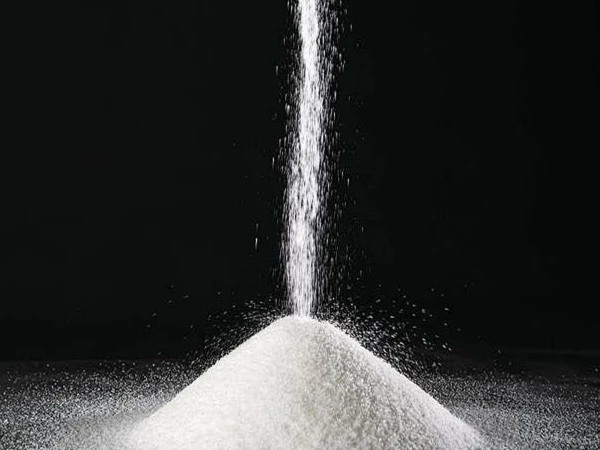
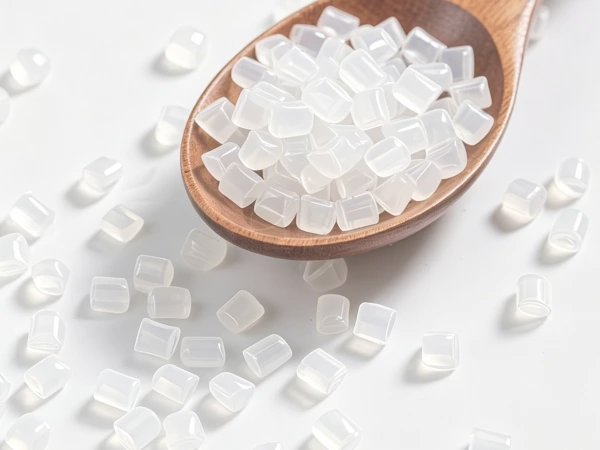
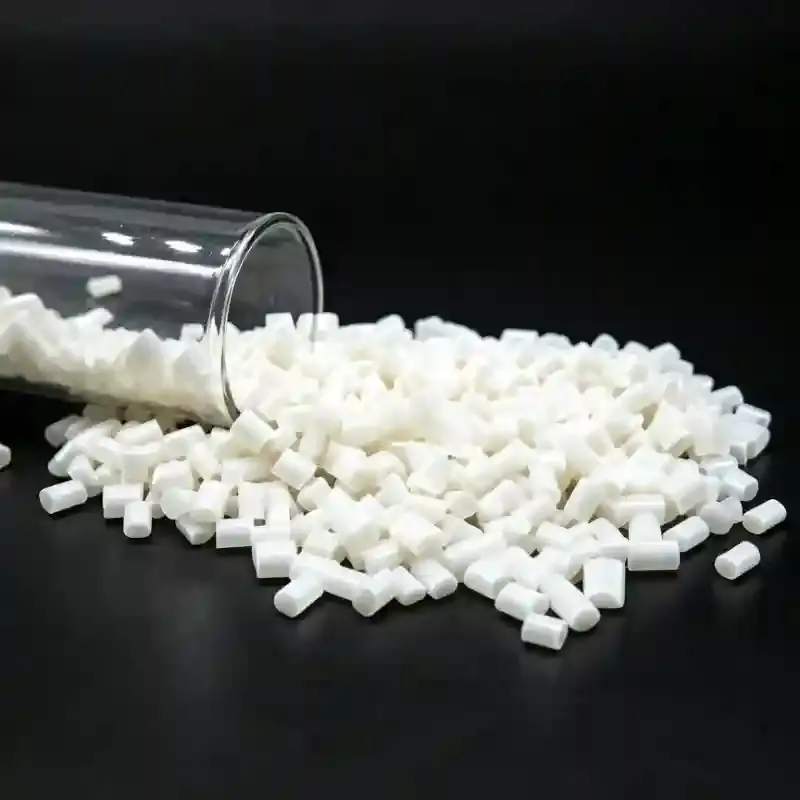
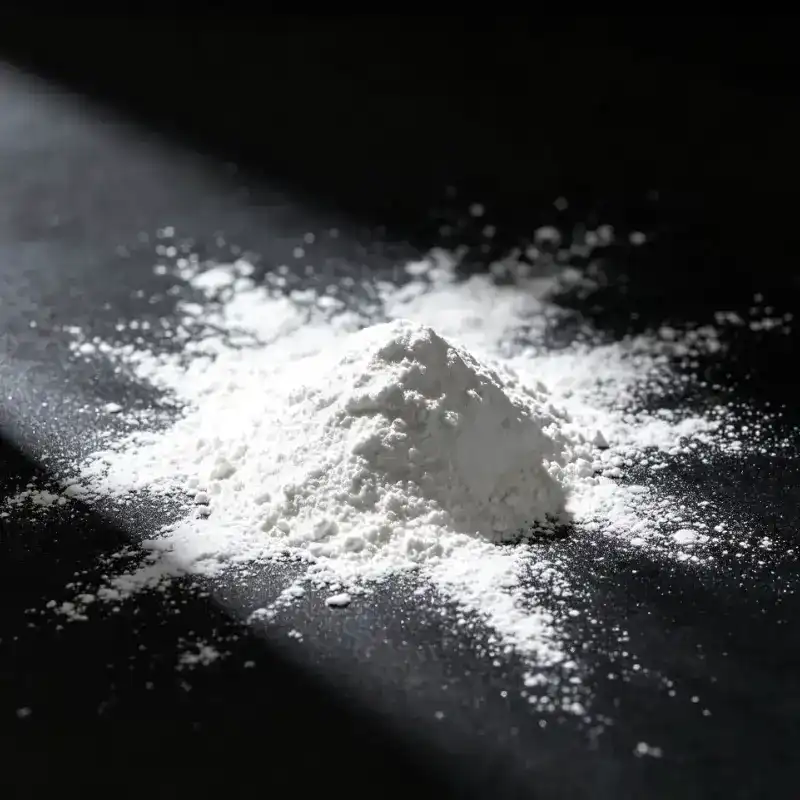
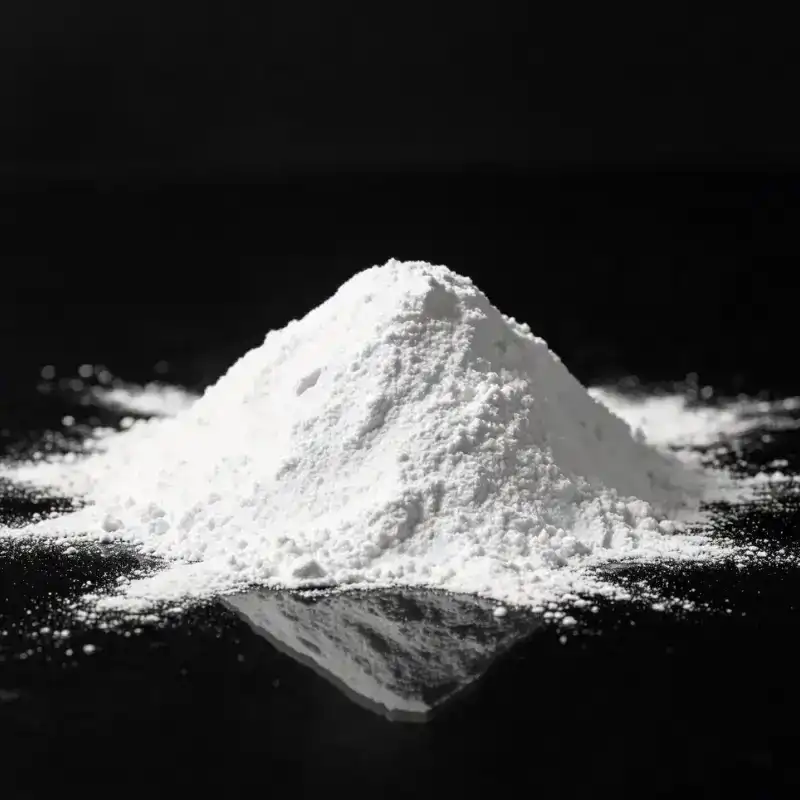
At its core, a micro-polyethylene particle is an ultra-fine, low-molecular-weight polymer. Unlike standard plastic pellets used in molding, these are micronized waxes or polymers with an average particle size typically ranging from 5 to 50 micrometers. The microscopic scale of these particles allows them to disperse seamlessly into various mediums, acting as a functional modifier without altering the fundamental chemistry of the host material.
These ultrafine polymer powders are known for their high crystallinity, impressive melting point, and extreme chemical inertness. Because they are not soluble in most common solvents at room temperature, they remain stable and perform consistently even in harsh industrial environments.
Key Physical and Chemical Properties
To truly understand the value of this material, one must look at its intrinsic characteristics. The performance of ultrafine PE wax is dictated by its molecular weight, density, and, most importantly, its particle size distribution.
Below is a technical comparison table illustrating the differences between standard bulk waxes and specialized micro-powders.
| Property / Feature | Standard PE Wax | Micronized Polymer Powders |
| Average Particle Size | 100 – 500 microns | 5 – 20 microns |
| Dispersion Capability | Moderate | Excellent / Highly Uniform |
| Surface Modification | Basic gloss reduction | Superior matting and texturing |
| Processing Method | Requires high-shear melting | Easy stir-in incorporation |
| Primary End Use | Bulk plastic lubrication | Premium inks, coatings, and paints |
As seen in the table, the finely controlled particle size makes the micronized version significantly more efficient in premium applications where precise surface engineering is required.
Essential Industrial Application Scenarios
The true brilliance of this material shines in its diverse applications. By migrating to the surface of a film or integrating into a matrix, these tiny particles provide macroscopic benefits.
1. Advanced Coatings and Paints
One of the largest consumer sectors for these additives is the coatings industry. Formulators frequently rely on polyethylene micropowder for industrial coatings to achieve specific aesthetic and protective goals. When added to wood finishes or metal paints, the particles rise to the surface during the curing or drying phase. This migration creates a micro-roughness that scatters light, resulting in an elegant, uniform matte or satin finish. Furthermore, it acts as a physical barrier, significantly improving the rub and mar resistance of the painted surface.
2. Printing Inks and Graphic Arts
In the fast-paced world of commercial printing, the durability of the final print is paramount. Packaging materials rub against each other during transit, which can easily ruin high-quality graphics. To combat this, manufacturers incorporate specialized additives to ensure maximum scratch resistance in printing inks. The spherical nature of the micro-particles functions almost like microscopic ball bearings. They reduce the coefficient of friction on the surface of the ink film, preventing abrasions and ensuring that packaging retains its pristine appearance from the factory to the retail shelf.
3. Plastic Extrusion and PVC Processing
The plastics industry requires precise thermal and flow management to produce defect-free pipes, profiles, and cables. Utilizing appropriate lubrication in PVC extrusion is non-negotiable. The micro-powders act as excellent external lubricants. They prevent the molten polyvinyl chloride from sticking to the hot metal surfaces of the extruder dies. This not only increases the throughput and efficiency of the manufacturing machinery but also imparts a smooth, glossy finish to the final extruded plastic products.
4. Specialized Powder Formulations
In the realm of solvent-free finishing, formulators are constantly searching for the perfect additive for powder coatings. Adding this ultra-fine polymer helps in the degassing process, preventing pinholes and surface defects when the powder is baked and cured in the oven. It also enhances the flow and leveling properties of the coating powder, ensuring a seamless, durable, and highly protective layer on metal substrates like automotive parts and home appliances.
Commercial Considerations and Sourcing
From a commercial and supply chain perspective, selecting the correct grade and supplier is vital for maintaining product consistency. Factory managers and procurement officers looking to buy high-quality PE micropowder must evaluate several factors beyond just the price tag.
- Particle Size Distribution (PSD): A narrow PSD ensures that the product will behave predictably in your formulation.
- Purity and Whiteness: For clear coatings or white inks, the additive must not introduce any yellowing or impurities.
- Supplier Reputation: Partnering with established polyethylene wax manufacturers guarantees access to technical support and consistent batch-to-batch quality.
While premium grades offer exceptional performance, businesses operating on tight margins can also find highly cost-effective micronized PE powder solutions on the market. These economic grades are often tailored for applications where extreme precision in matting is less critical, but general lubrication and anti-blocking properties are still required.
Conclusion
Returning to our initial inquiry—what is the polyethylene micropowder?—it is clear that it is much more than simple plastic dust. It is a highly engineered, functional additive that serves as the backbone for quality improvement in numerous global industries. By reducing friction, scattering light for matte finishes, and preventing manufacturing bottlenecks, this microscopic powerhouse delivers massive commercial value. Whether you are formulating the next generation of eco-friendly inks or optimizing high-speed plastic extrusion, understanding and leveraging this material is a step toward superior industrial performance.
Frequently Asked Questions (FAQs)
Q1: What is the difference between PE micropowder and PTFE (Teflon) powder?
A1: While both are used to reduce friction and improve scratch resistance, PTFE powders offer significantly higher heat resistance and a lower coefficient of friction. However, polyethylene-based powders are generally much more cost-effective, have a lower specific gravity (making them easier to keep suspended in liquids), and are sufficient for most standard coating and ink applications.
Q2: Are these ultrafine polymer powders safe for use in food contact packaging?
A2: Yes, many high-purity grades of these micro-powders comply with FDA and European regulations for indirect food contact. However, regulatory compliance varies by manufacturer and specific product grade, so it is crucial to request the relevant food contact certificates and safety data sheets from your supplier before formulation.
Q3: How do I determine the correct particle size for my specific coating formulation?
A3: The ideal particle size generally depends on the dry film thickness (DFT) of your coating. As a rule of thumb, for effective matting and scratch resistance, the average particle size should be slightly less than or equal to the DFT of the cured coating. If the particles are too large, they may cause unwanted texturing (seediness); if they are too small, they may be completely submerged in the resin, losing their functional surface benefits.